
Everybody is writing an AI generated take on Tailwind’s monetization issues. Here’s a human one, from someone who writes open source software.
The news of the day is that Tailwind has laid off roughly 75% of its development staff. While that percentage sounds dramatic, it amounts to three people. Framing this as a massive industry wide signal feels a bit scandalous.
That said, this didn’t come out of nowhere.
Over the past few years, a clear trend has been emerging that disproportionately affects information based products. As people increasingly rely on LLMs to search for answers, rather than traditional search engines, products and services that depend on search discoverability have started to suffer. Search engines themselves are embracing AI generated responses, and many users are skipping them entirely in favor of tools like ChatGPT or Perplexity. The result is fewer link clicks, declining referral traffic, and diminishing returns on search driven ad spend.
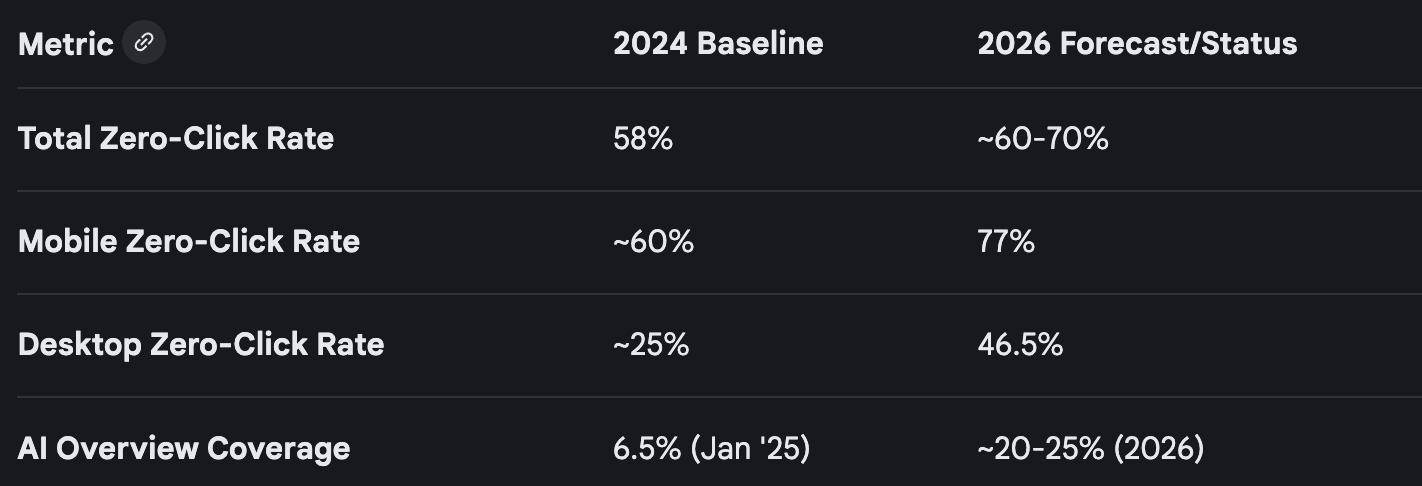
Tailwind’s situation looks like a natural extension of this pattern. Their core monetization strategy depends on users visiting documentation pages. Historically, that traffic came from organic searches like “How do I do X with Tailwind?” But that entire distribution model has been upended, even as Tailwind itself is more popular and widely used than ever. This fully cracks a long held illusion, that popularity equals sustainability, or that attention automatically translates into income. There’s something deeply ironic about a CSS framework becoming more ubiquitous while simultaneously facing an existential business crisis.
Open source software has never required monetization to exist. But many (most?) large, long lived open source projects do depend on funding to survive. Django, for example, fundraises every year in order to hire full time developers to maintain and evolve the framework. Without sustained funding, projects at that scale risk stagnation or collapse.
As someone who writes open source software, this raises a few uncomfortable questions:
-
How will this affect the types of licenses authors choose, especially for projects with monetization in mind? Permissive licenses like MIT or BSD may no longer feel like the obvious default if they eliminate viable funding paths.
-
What OSS funding models are breaking right now without us fully realizing it yet?
-
Will large projects increasingly push core features behind paywalls?
-
Does there need to be a new class of licenses that are more defensive of OSS authors while still preserving openness?
I don’t have answers to all of these questions yet. But I am confident about a few things. Open source development isn’t going away, and the industry is about to have much more serious conversations about sustainability, funding, and the true cost of maintaining the software we all rely on.